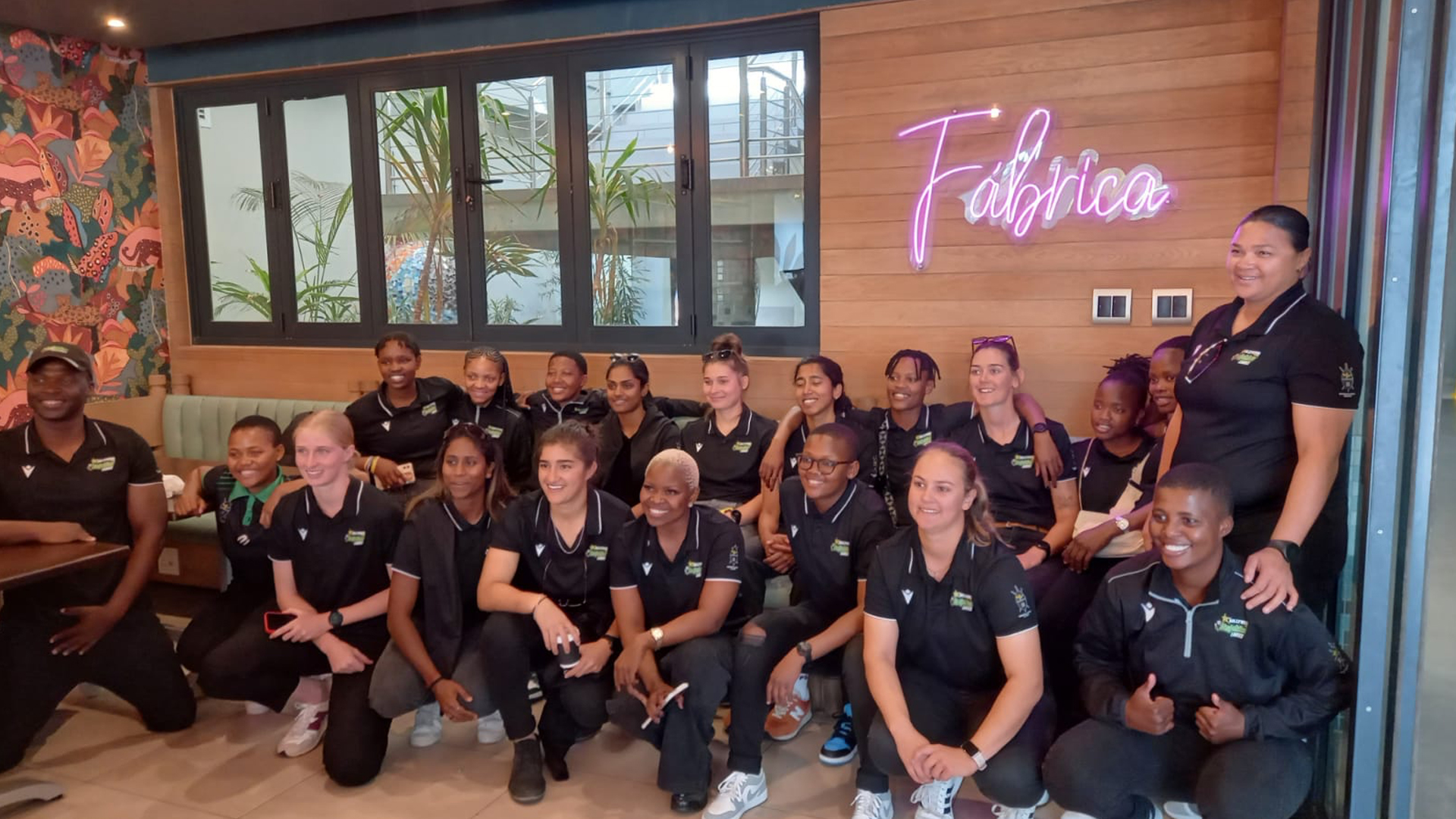
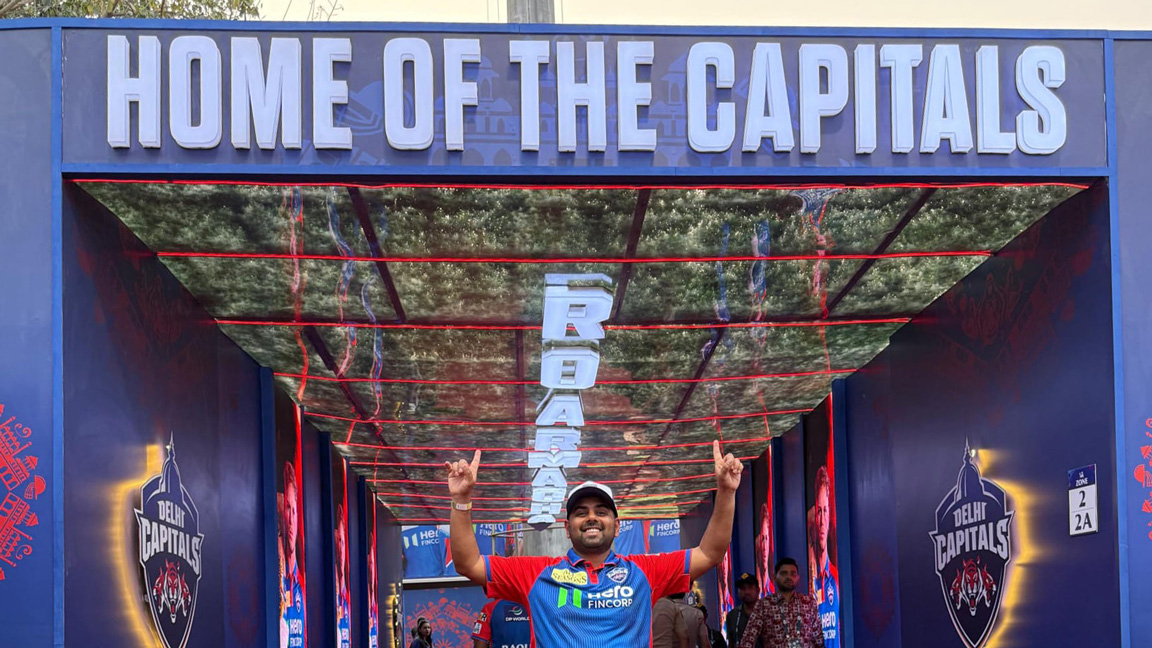
But nothing quite prepares you for the IPL. Whilst I might have come from a background in sports rehabilitation across various athletic disciplines. The scale, speed, and scrutiny that come with this league are simply unmatched. The transition from clinical environments to managing elite cricketers on the road, through injuries, training loads, and back-to-back matches, was a steep but enjoyable learning curve. From a change of hotels every few days, flights to different venues, packing and unpacking the physio room, to late-night recovery sessions, the pace never slowed down. With so much riding on each game, the margin for error is slim. As a medical professional, you’re constantly balancing caution with competitiveness.
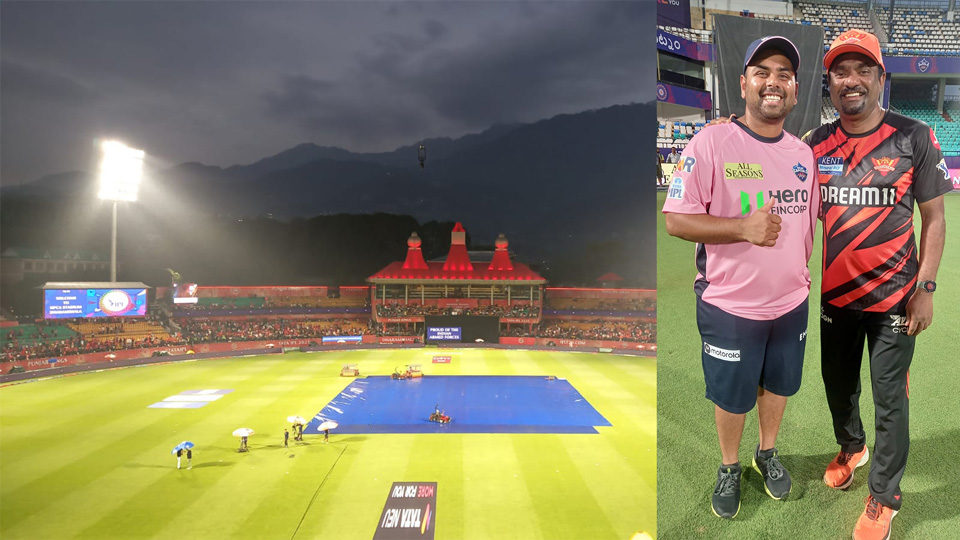
The IPL environment is a melting pot of high-performance sports science. Our job was to ensure the players stayed in peak physical condition—not just to play, but to perform. I had the opportunity to work closely with some of the best in the business—strength coaches, doctors, analysts, coaching staff, and, of course, fellow physios. Each day brought a new lesson, a fresh challenge, and a deeper understanding of elite player care. In this regard, I was truly lucky to have the head physiotherapist be someone with a wealth of experience. Patrick Farhart can only be described as ‘The Rolls-Royce of Cricket Physiotherapists’. Someone with not just experience, but the personality to match. His love for cricket is only matched by his love for rugby league! As another physiotherapist told me when he heard I would be an assistant to Patrick, “you are going on a paid internship”, and that it proved to be. I immensely enjoyed conversations with him, picking his brain on topics of research, sports medicine, team culture, life, and even Manchester United.
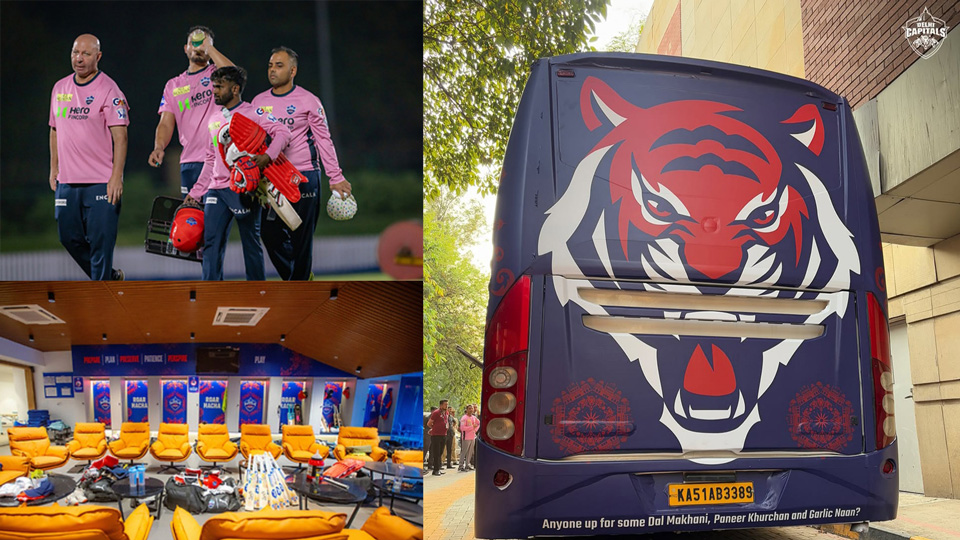
Nothing truly prepares you for the mayhem that begins once the tournament gets underway, not just from a treatment point of view, but the logistics of moving such a massive operation from city to city, with so many people, luggage as well as equipment. It’s truly an incredible feat and amazing to see with almost military precision how it all gets done. The other aspect is the crowd. Just saying India loves cricket is to sell short the true passion that the people feel for the game. Households are divided, almost everyone has an opinion, and is not scared to voice it. As the bus team bus moves through traffic people crane their necks out of house or car windows, everyone stops, wave, smiles break out on their faces and kids sometimes chase the bus a few blocks while grown men sometimes stand on low walls, all in the hope of catching just a glimpse of their heroes. The stadiums are packed; people sing and chant through team mantras or blow their whistles. It’s more than cricket; it’s a way of life.
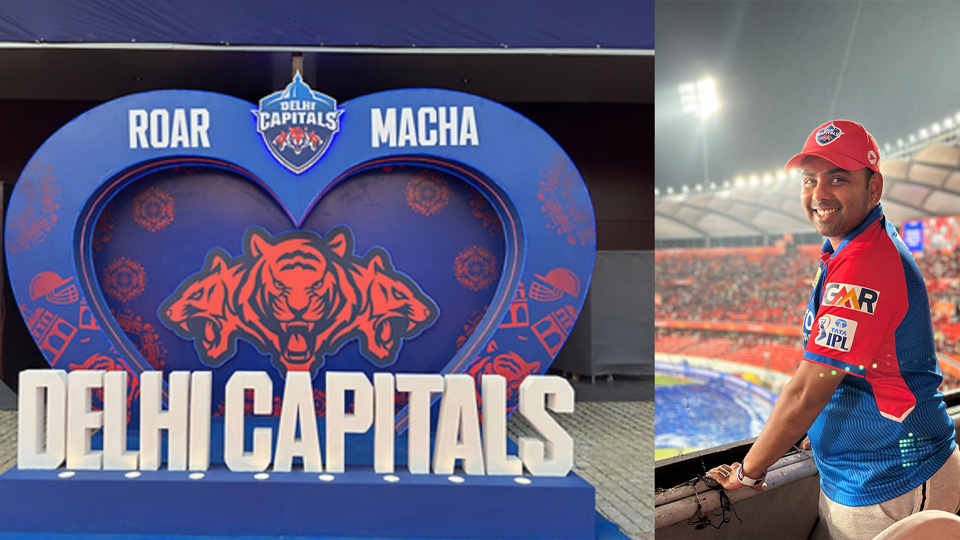
It’s clear that being a physio in the IPL is about much more than just healing injuries—it’s about understanding people, managing chaos, staying adaptable, and being part of a high-functioning machine that never stops. I’m incredibly grateful to the Delhi Capitals management and support team for trusting me and welcoming me into their sporting ‘family’. The friendships and lessons of this tournament have left a mark not just on my career but on me. I walk away from this experience not only as a better physiotherapist, but also a better professional, teammate, and person.
#IPL2025 #DelhiCapitals #SportsPhysiotherapy #FirstIPLSeason #BehindTheScenes #HighPerformanceSport #CricketPhysio